UN-Morocco: Maritime Choke-points a Responsibility, Not Ownership
The UN Convention on the Law of the Sea (UNCLOS) defines the strait as an international transit passage. This grants all ships and aircraft the legal right to freely navigate through international straits, meaning that coastal States cannot
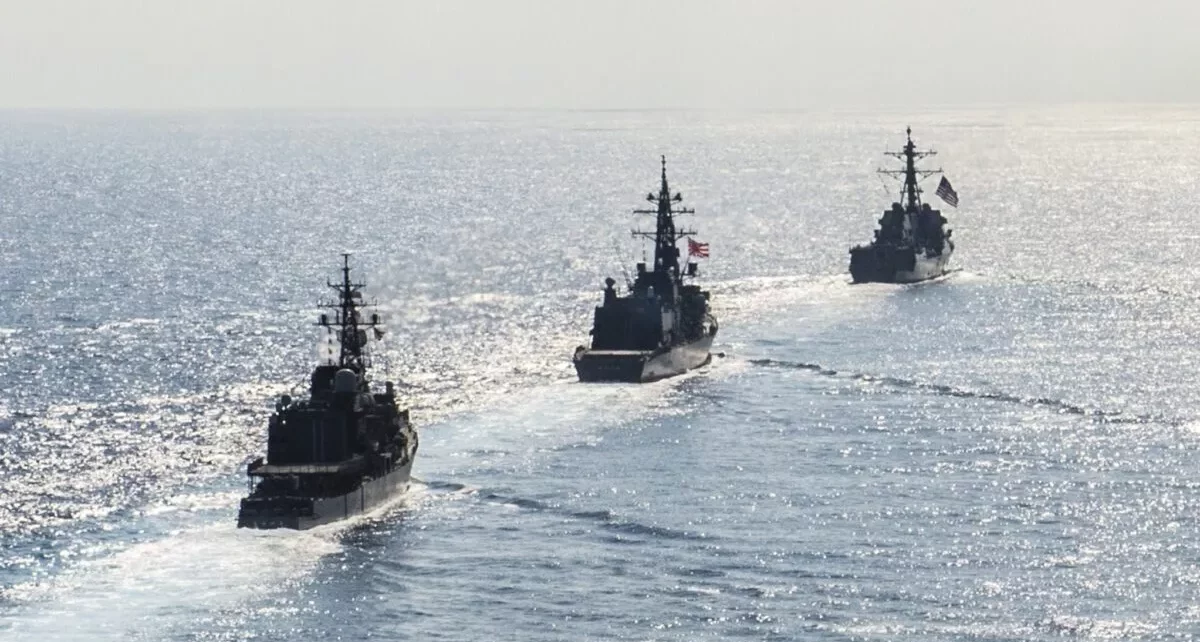
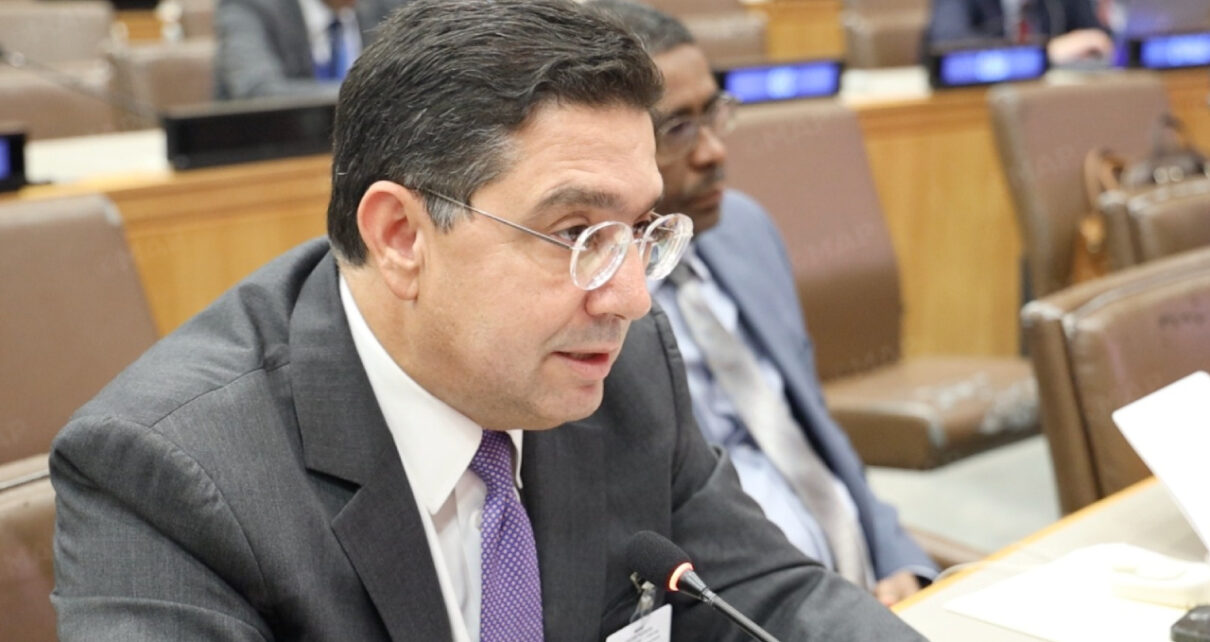
Morocco has argued at the United Nations that managing maritime choke-points is a shared responsibility rather than a matter of ownership. The statement invokes the UN Convention on the Law of the Sea, which designates straits used for international navigation as transit passages where all ships and aircraft retain the right of free passage. Under UNCLOS, coastal states cannot treat such waterways as permission-based corridors or charge tolls for simple passage.
Filed Under
What did you make of this
Sign in to react and save stories. Reading is always free.
Be the first to comment
Sign in to join the conversation. Reading is always free.
Related Reports & Analysis
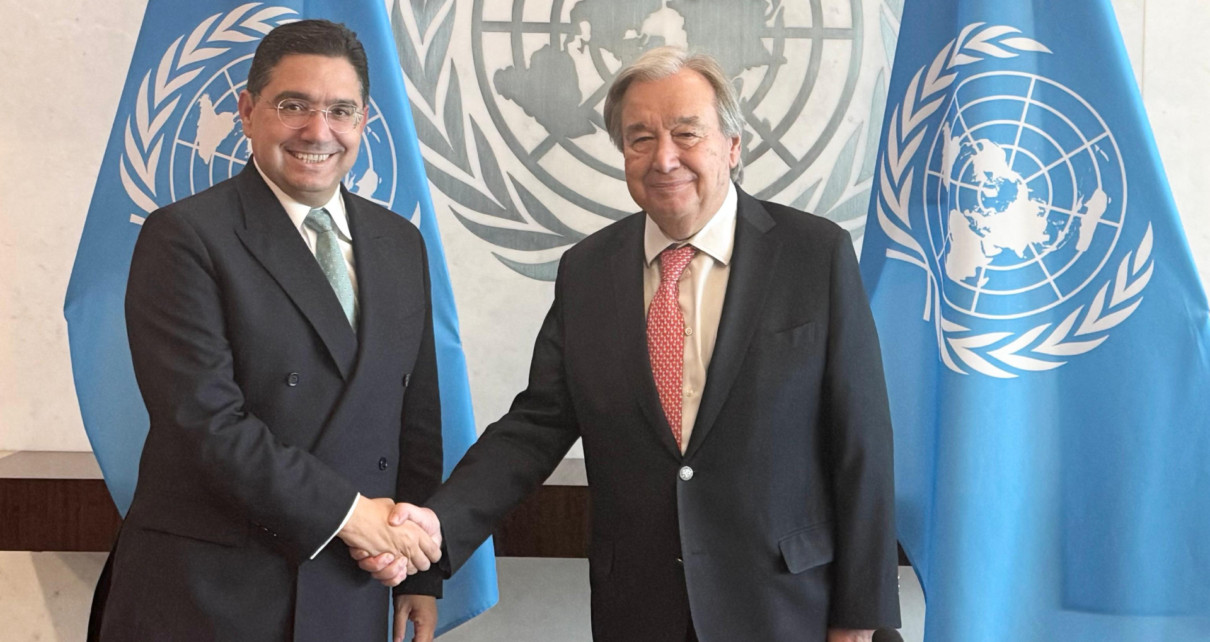
UN Chief Praises Morocco's Diplomacy Under King's Leadership
Secretary general of the United Nations Antonio Guterres has expressed admiration for role played by Moroccan diplomacy under the leadership of King Mohammed VI, both within the United Nations and on the international scene, describing this
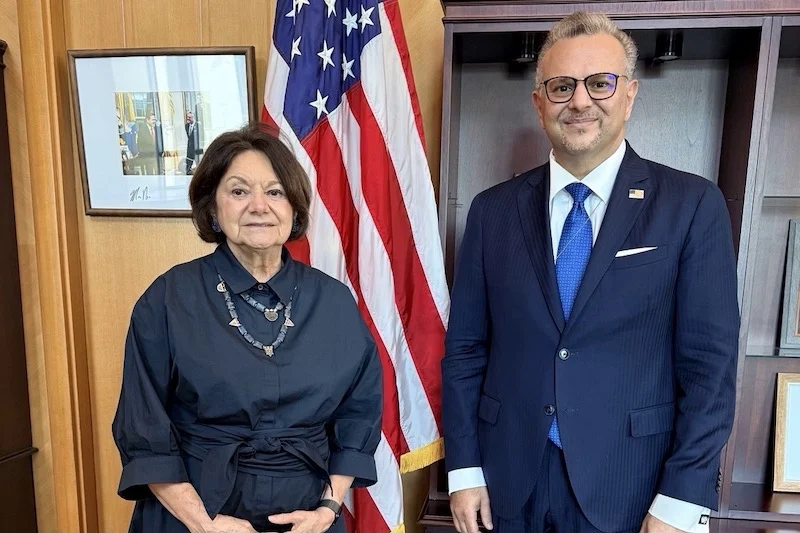
US, UN Back Lasting Sahara Solution Under UNSC Resolution 2797
The United States and the United Nations are coordinating their efforts in support of the UN-led political process engaged to reach a lasting solution to the Sahara conflict in accordance with UN Security Council resolution 2797. This resol
Rabat Condemns Houthi Attacks Against Mecca
Morocco has denounced in the strongest terms the criminal attacks launched by the Iranian-backed Houthi militias against the holy city of Mecca in Saudi Arabia. The condemnation was expressed Thursday in New York by Foreign Minister Nasser
Morocco: Libya's Gateway to African Markets
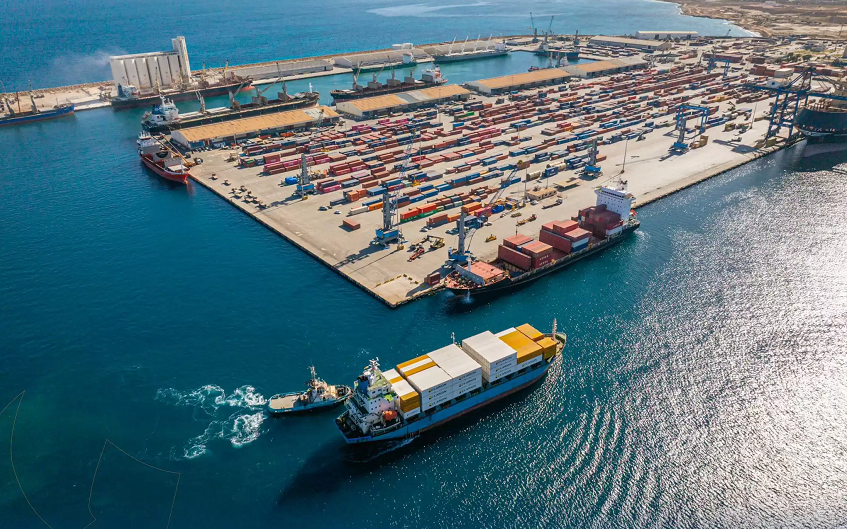
The Libyan Export Development Authority (LEDA) has announced the launch of a direct shipping line from Misrata Free Zone port, passing through Tangier, Morocco, towards several African markets, including Nigeria and Cameroon. Thanks to i